Overview
Food, beverages, and dietary supplements in Sri Lanka are regulated under distinct regulatory pathways. Conventional food and beverage products are compliance-based and are placed on the market through a local importer in accordance with the Food Act and Food Control Administration Unit (FCAU) requirements. Dietary supplements, nutraceuticals, and other borderline products, however, require evaluation and registration by the National Medicines Regulatory Authority (NMRA) before commercialization. Freyr supports businesses across both pathways with end-to-end regulatory expertise.
Understanding the Regulatory Framework for Food and Dietary Supplements in Sri Lanka
The NMRA applies a harmonized framework to ensure consumer safety, fair trade, and transparency across food, beverages, and dietary supplements. Oversight is shared between:

National Medicines Regulatory Authority (NMRA)
Implements the NMRA Act No. 05 of 2015, regulates medicines, medical devices, and borderline products (including food supplements), and manages dossier evaluation and product registration.

Borderline Products Evaluation Committee
Reviews nutraceuticals and borderline products to determine whether they fall under food or medicinal categories before authorization.

Food Control Administration Unit (FCAU)
Oversees food import control, labeling compliance, and advertising regulations, ensuring imported food products meet Sri Lankan safety standards.

Ministry of Health
Provides overarching policy direction, enforces national food regulations, and issues statutory instruments such as the Food (Labeling and Advertising) Regulations 2022 and other safety standards.
Product Categories Under Sri Lanka’s NMRA Framework
Within this framework, products are classified into clear categories, each governed by specific compliance requirements:

A. Food
- Defined under the Food Act No. 26 of 1980 as any article manufactured, sold, or represented for human consumption.
- Includes conventional foods, processed foods, fortified foods, and food ingredients.
- Governed by Food Control Administration Unit (FCAU) regulations on safety, hygiene, and labeling.

B. Beverages
- Covered under the Food (Labeling and Advertising) Regulations 2022 issued by the Ministry of Health.
- Must comply with labeling requirements (nutrition, allergens, trilingual language rules: Sinhala, Tamil, English).
- Alcoholic beverages are additionally subject to Excise Department and Ministry of Health regulations for labeling and advertising.

C. Dietary Supplements / Borderline Products
- Regulated under the NMRA Act No. 05 of 2015 as “borderline products” combining characteristics of foods and medicines.
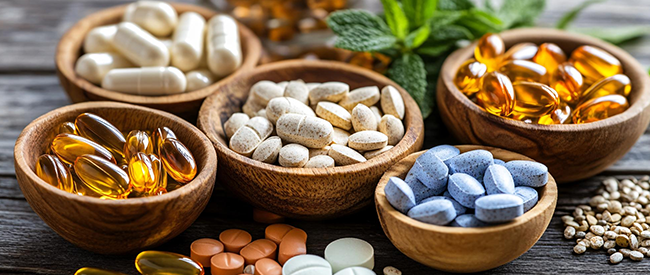
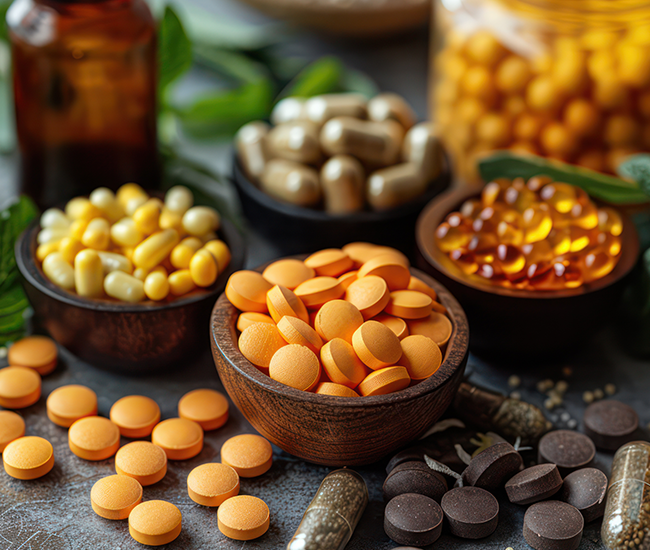
- Includes vitamins, minerals, herbal products, nutraceuticals, probiotics, and functional foods.
- Require Borderline Products Evaluation Committee review for classification before dossier submission.
- Subject to NMRA labeling and claims compliance, including restrictions on health and structural claims

D. Novel Foods
- Foods not previously consumed in Sri Lanka or requiring special evaluation (e.g., new nutraceutical ingredients, imported functional foods).
- Require NMRA risk assessment and classification before authorization.
- Import control checks are conducted by the FCAU to ensure safety and compliance with Sri Lankan standards.
Dietary Supplement Classification in Sri Lanka
Under the NMRA Act No. 05 of 2015, supplements and borderline products are regulated as a distinct category, with oversight by the NMRA and the Borderline Products Evaluation Committee. Each type has specific compliance rules:
- Vitamins - Treated as food supplements; ingredient review and labeling required. Claims limited to nutritional support.
- Minerals - Must meet composition and dosage limits; nutrient values disclosed on labels per 2022 regulations.
- Herbal Supplements - Botanicals and extracts reviewed to determine food vs. medicinal status; dossier submission required.
- Nutraceuticals - Products with functional benefits beyond nutrition; NMRA classification and dossier review mandatory. Claims cannot imply disease prevention or cure.
- Functional Foods - Conventional foods fortified with nutrients or bioactive compounds; governed by the Food Act and FCAU import rules; trilingual labeling required.
- Borderline Products - Items combining food and medicine traits; mandatory committee review to determine regulatory pathway.
Registration vs Notification in Sri Lanka
In Sri Lanka, conventional food and beverage products generally follow a compliance-based notification pathway through the FCAU, whereas borderline products and dietary supplement registration with the NMRA is mandatory before they can be marketed.
| Aspect | Notification | Registration |
| Scope | Applies to most conventional foods and beverages under the Food Act No. 26 of 1980. | Required for dietary supplements, nutraceuticals, functional foods, borderline products, and novel foods under NMRA Act No. 05 of 2015. |
| Authority | Food Control Administration Unit (FCAU) under the Ministry of Health. | National Medicines Regulatory Authority (NMRA), with review by the Borderline Products Evaluation Committee for novel/borderline products. |
| Timeline | Typically shorter (weeks to a few months). | Longer (months to a year), depending on queries and risk assessment requirements. |
| Outcome | No formal approval; products are logged and monitored by FCAU. | Formal authorization required before market entry; ongoing post‑market compliance enforced by NMRA. |
Step by Step NMRA Food and Dietary Supplement Registration Guide
| Step | Notification | Registration |
| Product classification | Identify as conventional food or beverage under Food Act No. 26 of 1980. | Identify as supplement, nutraceutical, functional food, borderline, or novel food under NMRA Act No. 05 of 2015. |
| Ingredient review | Basic compliance check against permitted food standards. | Detailed review of permitted ingredients, dosage limits, and safety data. |
| Label assessment | FCAU verifies compliance with Food (Labeling & Advertising) Regulations 2022. | NMRA reviews label artwork for claims, nutrition facts, allergens, and trilingual rules. |
| Dossier preparation | Simple product details (composition, labeling, claims). | Full dossier: Free Sale Certificate, GMP license, COA, stability data, safety/toxicology reports (for borderline/novel). |
| Submission | Notification filed with Food Control Administration Unit (FCAU). | Dossier submitted to NMRA for evaluation and committee review if borderline/novel. |
| Query management | Limited queries from FCAU, usually on labeling or claims. | Extensive queries from NMRA; may require international reference data or additional studies. |
Get Expert Guidance on Food & Dietary Supplement Registration
Documents Required for Food and Dietary Supplement Registration

Free Sale Certificate
Confirms the product is freely sold in the country of origin.

Stability Data
Provides evidence of product shelf life and quality maintenance.

Label Artwork
Shows packaging and labeling in compliance with trilingual rules (Sinhala, Tamil, English).

Certificate of Analysis (COA)
Confirms product safety, purity, and compliance with standards.

Manufacturing License / GMP Certificate
Demonstrates compliance with Good Manufacturing Practices.

Ingredient Composition & Product Specifications
Details formulation, dosage, and technical data.

Safety & Toxicology Documents
Required for borderline and novel products to demonstrate consumer safety.
Key Regulations at a Glance
| Regulation | Scope & Authority |
| NMRA Act No. 05 of 2015 | Establishes the National Medicines Regulatory Authority (NMRA) as the central body for regulating medicines, medical devices, and borderline products including food supplements. |
| Food Act No. 26 of 1980 | Provides the legal basis for regulating food safety, hygiene, and standards in Sri Lanka under the Ministry of Health. |
| Food (Labeling and Advertising) Regulations 2022 | Issued by the Ministry of Health under the Food Act. |
| Borderline Products Evaluation Committee Guidelines | Defines classification criteria for nutraceuticals, functional foods, and supplements overlapping with medicinal categories. |
| Import Control Regulations (FCAU) | Managed by the Food Control Administration Unit (FCAU). |
How Can Freyr Help?









Why Choose Freyr?

End-to-end NMRA Regulatory support.

A qualified team of experts with hands-on experience across all categories of foods like health supplements, dietary supplements, nutraceuticals, Health Functional Foods (HFFs), health functional beverages, Foods for Special Dietary Use (FSDU), infant foods, sports nutrition, probiotics, herbal supplements, etc.

Support in region-specific Regulatory activities.

An extensive partnership network across the globe.

A strong relationship with various Health Authorities (HAs).
Launch with Confidence in Sri Lanka
From FCAU compliance for food and beverages to NMRA dietary supplement registration, Freyr delivers the regulatory expertise needed to bring your products to market efficiently.
Frequently Asked Questions (FAQs)
Clear answers to common queries on Sri Lanka’s food and dietary supplement registration process, designed to help you navigate compliance with confidence.
01. How long does dietary supplement registration take in Sri Lanka?
Registration typically takes several months to a year, depending on dossier completeness and the number of NMRA queries during evaluation.
02. Is local representation mandatory?
Yes. Foreign manufacturers must appoint a local representative or Marketing Authorization Holder to interact with NMRA and FCAU.
03. What is NMRA classification?
NMRA classification determines whether a product is regulated as food, a dietary supplement, or a medicinal product, which defines the compliance pathway.
04. Are nutraceuticals regulated as borderline products?
Yes. Nutraceuticals are reviewed by the Borderline Products Evaluation Committee to decide if they fall under food or medicinal regulation before authorization.
05. What are the labeling requirements for food supplements in Sri Lanka?
Labels must comply with the Food (Labeling and Advertising) Regulations 2022, including nutrition facts, allergen disclosure, and trilingual language rules in Sinhala, Tamil, and English.
06. Can foreign manufacturers register directly?
No. Foreign manufacturers must register through a licensed local representative who manages dossier submission and NMRA interactions.
07. What documents are required for NMRA registration?
Required documents include a Free Sale Certificate, GMP license, Certificate of Analysis, stability data, safety and toxicology reports, ingredient composition, and label artwork.
08. What is the difference between notification and registration?
Notification applies to conventional foods and beverages under the Food Act, while registration is mandatory for supplements, nutraceuticals, functional foods, borderline products, and novel foods under the NMRA Act.
09. Are functional foods regulated as supplements?
Functional foods are treated as fortified conventional foods under the Food Act but may require NMRA review if they overlap with supplement or medicinal claims.
10. What role does the Borderline Products Evaluation Committee play?
The committee reviews products that combine food and medicinal traits, such as nutraceuticals and herbal supplements, and decides whether they are regulated as food, supplements, or medicines.